
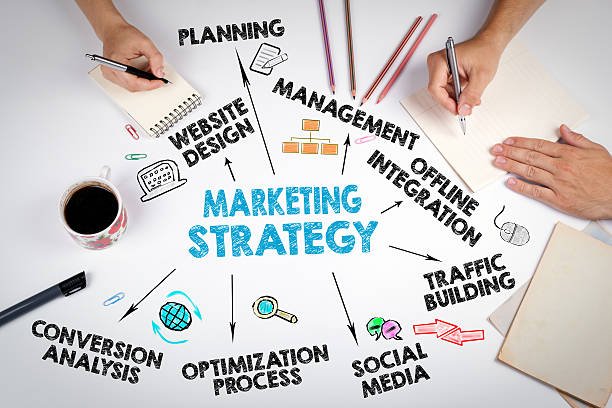
Branding isn’t just logos and colors. Learn how strategic branding drives growth, trust, and long-term success for modern businesses.
Many businesses believe branding is about visuals.
A logo.
A color palette.
A nice-looking website.
And while design matters, this belief misses the real point.
Branding is not how your business looks.
Branding is how your business grows.
Companies that treat branding as decoration struggle to scale.
Companies that treat branding as strategy build trust, loyalty, and long-term demand.
This is where most businesses go wrong—and where the biggest growth opportunities live.
The Most Common Branding Misconception
Ask most business owners what branding means, and you’ll hear:
“Logo and identity.”
“Visual consistency.”
“Design guidelines.”
That’s only the surface.
Real branding lives in:
- How people perceive your value
- What they remember about you
- Why they choose you over competitors
- How much they trust your promises
Design expresses the brand—but it does not define it.
Why Branding Is a Business Decision, Not a Creative One
Strong brands are built by aligning business strategy with customer psychology.
Branding decisions influence:
- Pricing power
- Customer loyalty
- Marketing efficiency
- Sales conversion rates
A business with weak branding competes on price.
A business with strong branding competes on value.
That difference alone can determine whether a company scales—or stalls.
Branding Shapes How Customers Make Decisions
People don’t buy logically.
They justify logically after deciding emotionally.
Branding creates that emotional shortcut.
It answers unspoken questions like:
- “Can I trust this business?”
- “Are they for someone like me?”
- “Do they understand my problem?”
When branding is clear, decisions feel easy.
When branding is unclear, customers hesitate—and hesitation kills conversions.
The Hidden Cost of Weak Branding
Weak branding doesn’t just look bad—it costs money.
It leads to:
- Higher ad costs
- Lower conversion rates
- Inconsistent messaging
- Confused audiences
Businesses often blame marketing performance when the real issue is brand clarity.
Marketing amplifies what already exists.
If the brand is unclear, marketing just spreads confusion faster.
Why Branding Comes Before Marketing
Many companies try to fix growth problems with ads.
But ads can’t fix a broken brand.
If customers don’t understand:
- What you stand for
- Who you’re for
- Why you’re different
No amount of media spend will create sustainable results.
That’s why professional marketing agencies start with branding—not platforms.
Branding Is How You Control Perception
Whether you invest in branding or not, people form opinions.
The only question is:
Are you shaping that perception—or leaving it to chance?
Strategic branding allows you to:
- Position yourself intentionally
- Own a specific space in the market
- Avoid being compared only on price
Perception is reality in competitive markets.
The Difference Between Visual Identity and Brand Strategy
Visual identity answers:
- What do we look like?
Brand strategy answers:
- Why do we exist?
- Who do we serve?
- What problem do we solve better than anyone else?
- What promise do we make—and keep?
Without strategy, visuals are empty.
With strategy, visuals become powerful signals.
How Branding Impacts Marketing Performance
Strong branding makes marketing easier.
It improves:
- Ad click-through rates
- Content engagement
- Lead quality
- Sales conversations
Why?
Because people already understand and trust the brand before they interact with campaigns.
A marketing agency that ignores branding limits its own results.
Branding and Pricing Power
One of the clearest indicators of strong branding is pricing flexibility.
Brands with weak positioning:
- Compete on discounts
- Struggle with margins
- Attract price-sensitive customers
Brands with strong positioning:
- Charge premium prices
- Build loyalty
- Attract value-driven buyers
Branding isn’t an expense—it’s leverage.
Why Consistency Builds Trust
Trust isn’t built through one interaction.
It’s built through consistency across:
- Messaging
- Visuals
- Tone
- Experience
When branding is inconsistent, customers feel uncertainty.
When branding is consistent, confidence grows—and confidence converts.
Branding as a Filter (Not Just Attraction)
Good branding doesn’t attract everyone.
It attracts the right people.
Clear brand positioning:
- Filters out bad-fit customers
- Aligns expectations
- Improves satisfaction
This makes marketing more efficient and operations smoother.
How Brand Strategy Supports Long-Term Growth
Trends change.
Platforms change.
Algorithms change.
Strong brands survive all of it.
Brand strategy provides:
- Direction during market shifts
- Stability during growth
- Flexibility in execution
It’s the foundation that allows businesses to adapt without losing identity.
The Role of a Marketing Agency in Branding
A serious marketing agency doesn’t “design a brand.”
It builds a brand system.
That includes:
- Market research
- Customer insights
- Competitive positioning
- Messaging frameworks
- Visual alignment
Branding becomes a strategic asset—not a one-time project.
Why DIY Branding Usually Fails
Many businesses attempt branding internally or through freelancers.
Common issues include:
- Personal bias
- Lack of market perspective
- Design without strategy
- Inconsistent execution
Branding requires external objectivity and strategic thinking—something experienced agencies bring to the table.
Branding and Content: One Voice, One Message
Content without brand strategy feels scattered.
Brand-driven content:
- Sounds consistent
- Reinforces positioning
- Builds authority over time
A strong marketing agency ensures every piece of content strengthens the brand—not just fills a calendar.
Branding Is What Turns Customers Into Advocates
People don’t recommend businesses they barely remember.
They recommend brands that:
- Stand for something
- Deliver consistent value
- Make them feel understood
Word-of-mouth is the ultimate result of strong branding.
How Fluxcel Agency Approaches Branding
At Fluxcel Agency, branding starts with clarity—not aesthetics.
The process focuses on:
- Understanding the business deeply
- Defining clear positioning
- Crafting meaningful messaging
- Aligning visuals with strategy
Branding is treated as a growth tool, not a creative task.
Branding as a Long-Term Investment
Short-term tactics come and go.
Brand equity compounds.
Every campaign, every piece of content, every interaction either strengthens or weakens your brand.
The goal isn’t to look good today—it’s to stay relevant tomorrow.
Signs Your Business Needs Stronger Branding
You may need brand strategy if:
- Customers compare you only on price
- Your messaging feels inconsistent
- Marketing efforts don’t convert
- Your business looks like competitors
These are not marketing problems—they’re branding problems.
Final Thought
Branding isn’t about impressing people.
It’s about being remembered, trusted, and chosen.
Businesses that understand this stop chasing attention—and start building authority.
If you want growth that lasts beyond the next campaign, branding must become part of your strategy—not an afterthought.
👉 Discover how Fluxcel Agency helps businesses build brands that drive real growth:
https://fluxcelagency.com